
Event overview · London 2027
Policy into projects.
Projects into delivery.
Bring the challenges behind your projects into a room of people working across London’s buildings, estates, energy, transport and infrastructure.
The context for London 2027
London and the UK’s next phase of net-zero delivery.
National targets and city-wide ambition only become meaningful when they translate into funded, procured and deliverable projects. The conference connects policy with the people, technologies and delivery routes needed to act.
UK net-zero target
The legally binding national direction for public estates, infrastructure, procurement and investment.
Official sourcePublic-building emissions reduction
The national ambition for reducing direct emissions from public-sector buildings by 2037 against the 2017 baseline.
Official sourceLondon net-zero ambition
The Mayor of London’s target for making the capital a net-zero-carbon city.
Official sourceNational policy and target figures, not conference attendance or contracts available through the event. Sources checked September 2026.
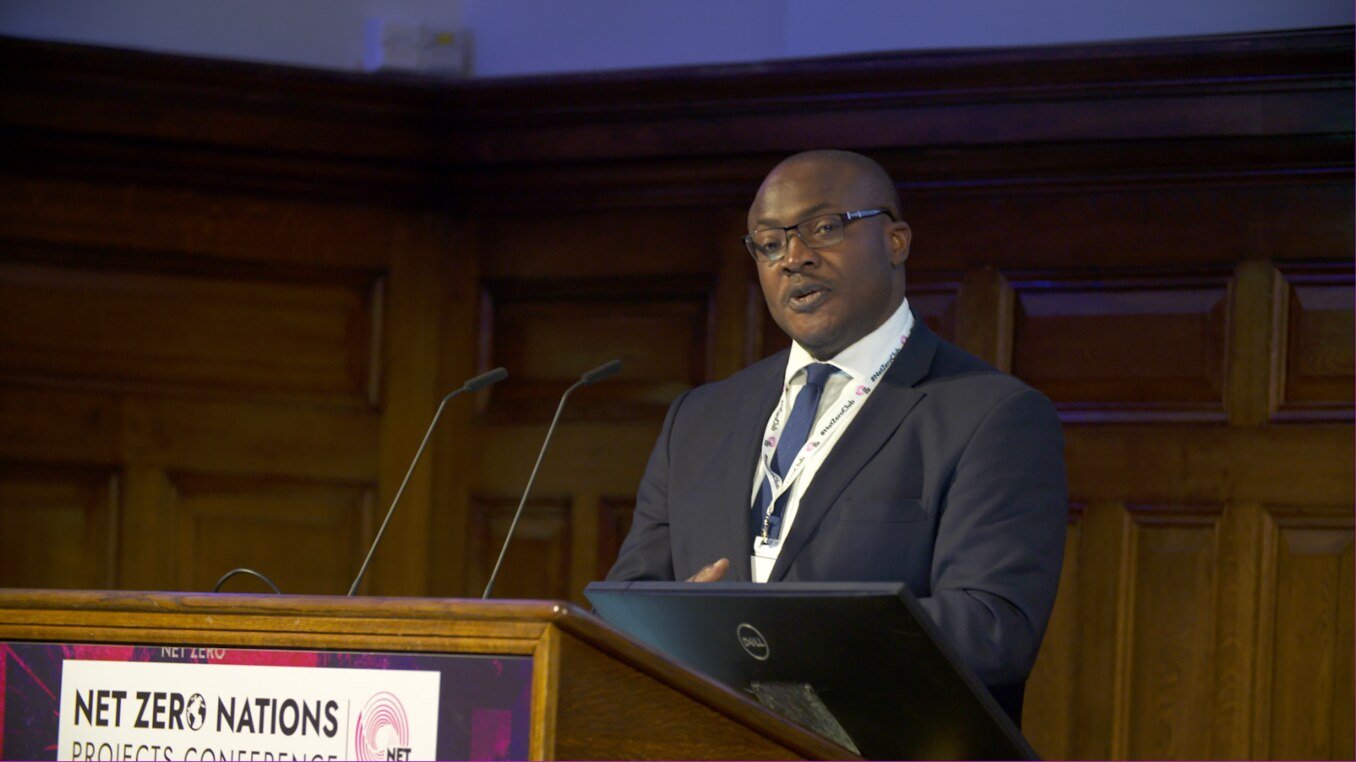
Highlights from London 2025 · Opening perspective

Dr Austin Entonu, MBE
Head of Net Zero Energy
Greater London Authority
City-wide ambition must connect with investable programmes, public assets, energy infrastructure and credible delivery partners.
Watch the 2025 London highlights ↗Homes · Retrofit · Clean heat
Warm Homes Plan
The national plan connects lower bills and warmer homes with upgrades to ageing housing stock and wider clean-energy delivery.
Insulation and whole-house retrofit, heat pumps, solar, storage, smart controls, resident engagement and measured outcomes.
London · Planning · Infrastructure
London Plan and city-wide delivery
Housing growth must be planned alongside transport, utilities, public services, heat, climate resilience and environmental performance.
Estate and place-based strategies, whole-life carbon, circular construction, heat networks, energy infrastructure and climate adaptation.
Buildings · Data · Performance
EPC reform and the Home Energy Model
Domestic EPC reform is expected in the second half of 2027, with a wider set of performance metrics designed to make building information more useful.
Energy assessment, building data, digital modelling, retrofit prioritisation, funding evidence and compliance.
New buildings · Standards · Compliance
Future Homes and Buildings Standards
Changes to Parts L and F will shape how new homes and non-domestic buildings approach energy use, ventilation and lower-carbon performance.
Fabric performance, low-carbon heat, ventilation, overheating control, solar generation, commissioning and operational performance.
Public estates · Funding · Procurement
Public Sector Decarbonisation and RE:FIT
Public bodies need credible routes from estate strategy and feasibility through procurement, finance, construction and verified performance.
Estate-wide decarbonisation plans, energy performance contracting, heat decarbonisation, controls and multi-site programme delivery.
Energy · Grid · Flexibility
Clean Power 2030 and local energy
Electrification, renewable generation, storage and flexible demand are reshaping how public assets connect to the energy system.
Grid connections, local generation, storage, demand flexibility, smart controls and energy management.
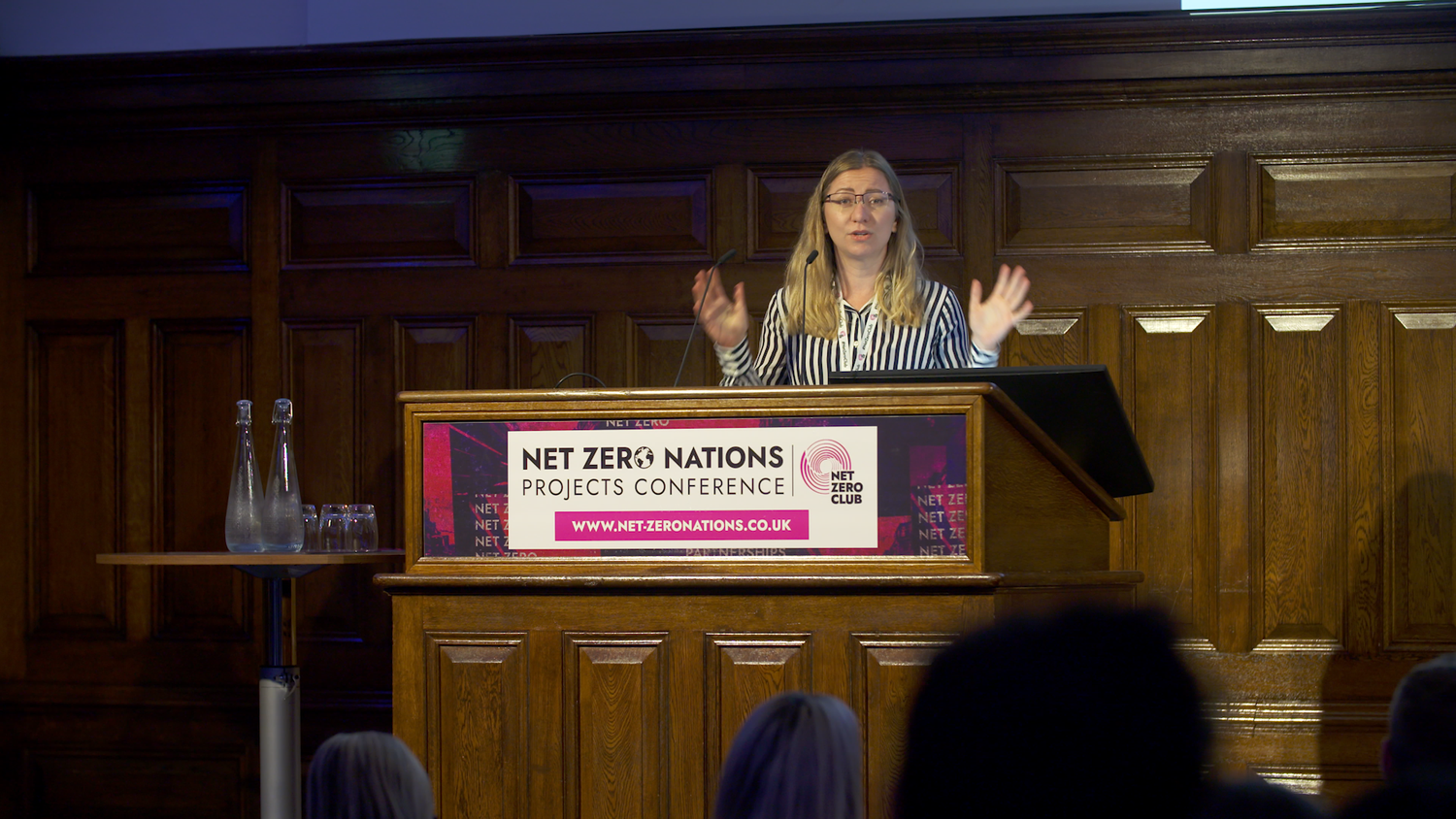
Highlights from London 2025 · Delivery perspective
Inga Jirgensone
Business and Market Development Director
Energy Saving Trust
Retrofit, advice and community energy delivery require trusted engagement, strong data and solutions that work for the people using buildings.
Explore the 2027 programme →Policy dates, funding rounds and implementation timetables will be reviewed as official updates are published.
Find your place
Bring your project. Bring your expertise.
Two audiences. One shared purpose: moving practical net-zero projects forward.
Responsible for public-sector projects?
Explore solutions, learn from delivery experience and meet organisations that can help you overcome project barriers.
- Eligible public, third-sector and charitable organisations
- Bursary-funded VIPP places, subject to approval
- Case studies, networking, lunch and refreshments
Can you help deliver them?
Put your expertise into the conversation with the people responsible for buildings, estates, energy, transport and infrastructure.
- Gold and Silver partnership opportunities
- A shared programme and exhibition environment
- Extended time to meet and discuss project needs
Two sessions. One connected agenda.
Delivering Net Zero Projects Across Buildings, Energy, Transport & Infrastructure
Both sessions bring together the full project journey, from design and construction to retrofit, technology, funding and practical delivery. Explore how solutions connect across cities, regions and the built environment.
Session 1 · 09:55–11:35
Part One
Buildings, energy, transport and infrastructure: practical solutions and delivery experience across the shared conference themes.
- 10-minute opening keynote
- Seven Gold partner presentations
- 15-minute panel Q&A
Session 2 · 12:20–14:00
Part Two
Buildings, energy, transport and infrastructure: practical solutions and delivery experience across the shared conference themes.
- 10-minute opening keynote
- Seven Gold partner presentations
- 15-minute panel Q&A
Presentation topics and keynote speakers will be announced as confirmed. John Curtis returns as conference host.

Highlights from London 2026 · Gold partner

Phil Best
Director Public Sector
GridBeyond
A view from the 2026 conference: public-sector delegates, the panel and industry expertise in one room.
Explore the 2025 programme ↗The 2027 conference day
Practical insight. More time to connect.
Fourteen Gold partner presentations across two sessions, two keynote slots, panel Q&A and 4 hours 15 minutes of available networking, including arrival and the reception.
Registration & exhibition networking
Arrive, enjoy tea and coffee, and meet delegates and exhibitors before the stage programme begins.
Chair’s welcome
John Curtis opens the conference and introduces the day.
Session 1 keynote
A ten-minute opening keynote. Speaker to be announced.
Seven Gold partner presentations
Seven ten-minute presentations, with five minutes shared across introductions and changeovers.
Session 1 panel Q&A
Fifteen minutes of questions and discussion with the session panel.
Refreshments & exhibition networking
A 45-minute break with tea, coffee and light bites. Time to visit exhibitors and continue project conversations.
Session 2 keynote
A ten-minute keynote to open the second session. Speaker to be announced.
Seven Gold partner presentations
Seven further ten-minute presentations, with five minutes shared across introductions and changeovers.
Session 2 panel Q&A
Fifteen minutes of questions and discussion before networking continues over lunch.
Five-star buffet lunch & extended networking
Enjoy One Great George Street’s high-quality buffet lunch, meet fellow delegates and continue conversations with partners and exhibitors.
Drinks reception
Raise a glass, continue the conversation and make those final connections at the closing reception.
The event finishes at 16:00.
Planned running order. Keynote speakers, partner speakers and presentation topics will be announced as confirmed. Each presentation block includes a five-minute allowance for introductions and changeovers.

Confirmed conference host for 2027
John Curtis
Conference Host & Chair
John returns to guide the day’s presentations, lead the panel discussions and keep the conversation focused on practical delivery.
In partnership with

Photographed hosting London 2025.
Partner with London 2027
Make your expertise part of the conversation.
Meet project owners in a setting built around shared learning, relevant solutions and practical delivery.
Gold Partner
For organisations looking to contribute their delivery expertise to the programme and build meaningful connections with public-sector project owners.
Discuss Gold partnershipSilver Partner
For organisations looking to showcase their capabilities and meet delegates through the exhibition and extended networking programme.
Discuss Silver partnershipTalk to Lee about your objectives, relevance to the audience and the right route for your organisation. Full 2027 package details will follow.
Look back at 2025
An established event. A new chapter.
Explore the previous programme and the organisations involved in our 2025 London conference. These are historical records, separate from 2027 partner and speaker announcements.
Selected organisations involved in London 2025:




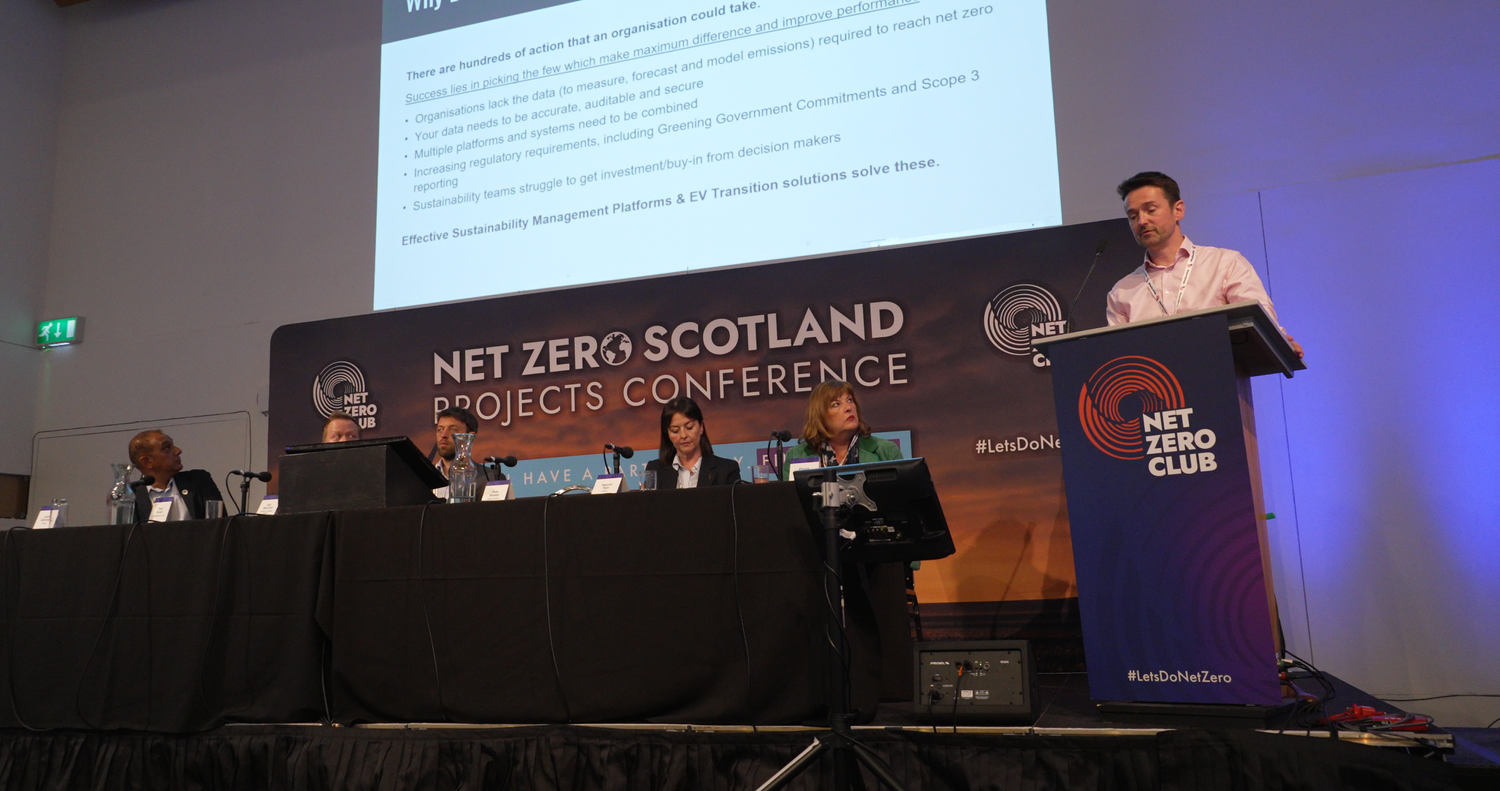 Previous conference: sharing delivery experience
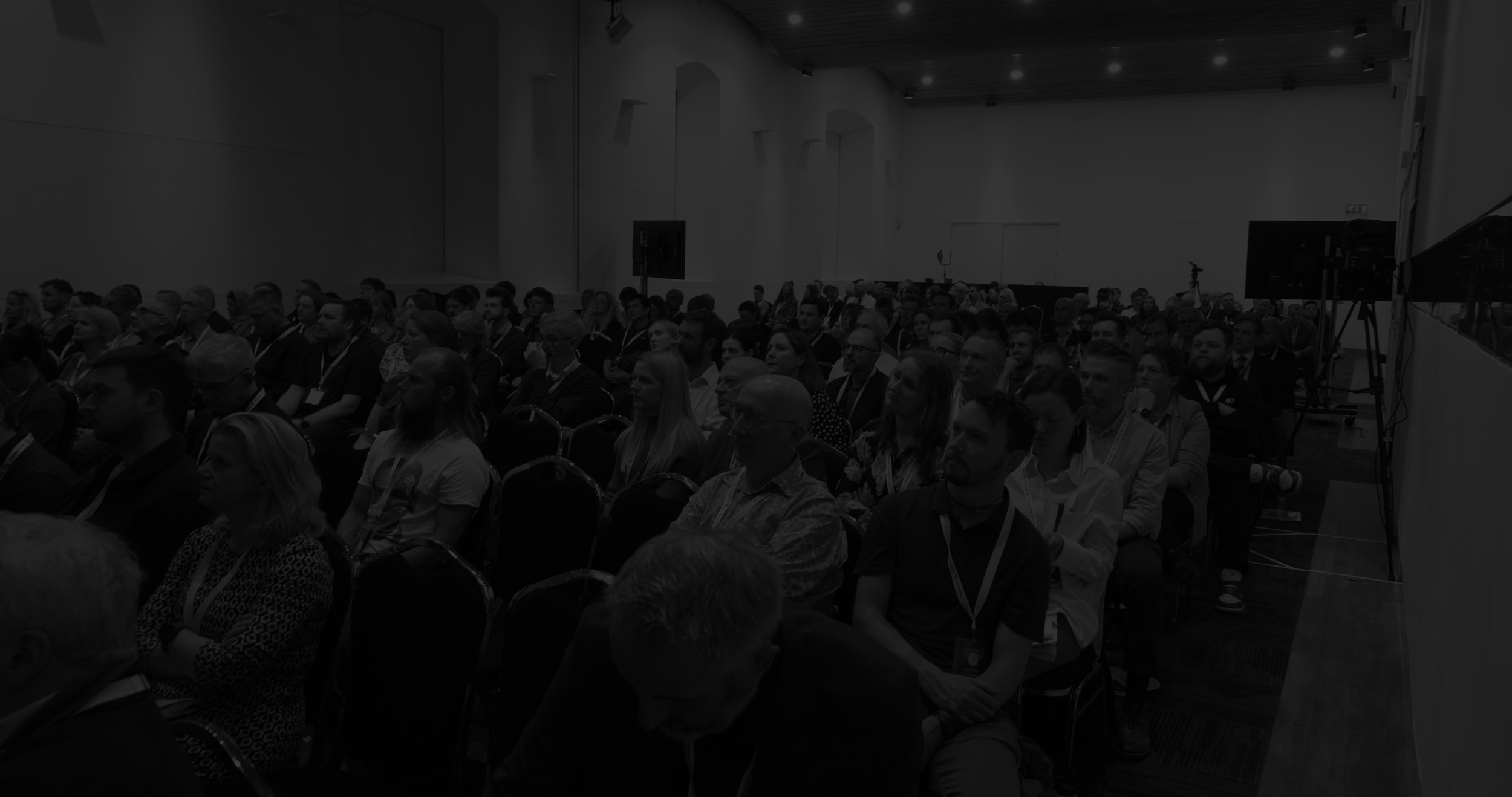 Previous conference: learning together
London 2027 starts with a conversation
Make room for the people who could help move your next project forward.
Wednesday 10th February 2027 · One Great George Street, Westminster.
Apply to attend or speak to us about bringing your organisation into the programme.
Private-sector delegate tickets: £250–£500 + VAT →
lee@net-zero.scot
Our 2027 Conferences
Connecting public-sector project needs with private-sector technologies, products and services.
Net Zero Nations Projects Conference
Connect with project owners and delivery partners working across the UK's public-sector net-zero priorities.
Explore the London conference → Wednesday 15th September 2027 · Dynamic Earth, Edinburgh
Net Zero Scotland Projects Conference
Explore practical net-zero solutions for public-sector buildings, estates, energy, transport and infrastructure.
Explore the Scotland conference → Wednesday 3rd November 2027 · One Great George Street, Westminster
Warm Homes Projects Conference
Discover solutions for housing retrofit, low-carbon heating, heat networks, solar, storage and smart energy.
Explore the Warm Homes conference →